
Catering Cultural Cuisine with Integrity
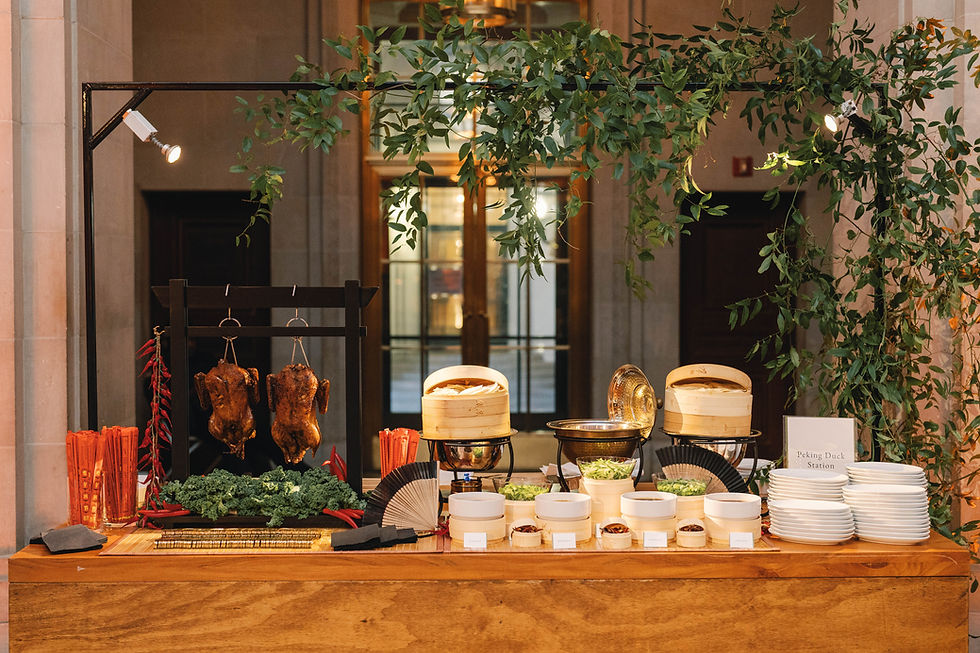
With growing catering globalization, the expectation to have robust cuisine from across cultures has grown alongside it. When working with clients that bring a strong cultural background to the table, it’s on the caterer to meet the client in the middle. It may seem intimidating to handle cuisine that’s simply not commonly on the menu, but there are many ways to mitigate that anxiety to improve your relationship with the client and, in return, the event overall.

First things first:
Do your own research. It is not the customer’s responsibility to educate you on all the dishes their background has to offer. If none of your other clients have had to explain what a burger is, then this one shouldn’t have to explain what Jollof rice is either. You don’t need to learn how to prepare them yourself but doing more than a cursory search on Google shows proactivity and expertise. By coming to the table with a strong sense of what the client may ask for, it demonstrates preparedness and enthusiasm for a different opportunity.
Remember where you’re coming from. By doing your own research you can dismantle any preconceived notions you may have had about whichever culture, reducing ignorance and uncomfortability when collaborating with the customer. By gaining more information about a person's background, you “level the playing field” and prevent yourself from othering your client. Remember that an "unusual" dish to you, could be staple comfort food to them; don’t label food as exotic or ethnic.

Engaging with the client:
While you're doing your research, expand your search beyond just food. Being able to break the ice with a client by asking them about something culturally significant, big or small, bridges the gap between two strangers. Anything pop culture related like a new movie or a big sports game is typically a safe bet.
The benefits of engaging with someone's background go beyond having something to converse about. It should also be beneficial when creating themes or curating the event. Certain colors or items may symbolize something different in other cultures than what they may represent to you. Identifying those differences off the bat will save you time and frustration in the long run. For example, the color white in Western convention is seen as a blank slate, or purity, while it represents death or mourning in China and India.

Now that you’re in the know and have done your research before delving into the details, remember that you’re not an anthropological expert. Meeting or chatting with the client should still be used as an educational opportunity. Be curious, be engaged, and ask questions. Stroll the balance between being outwardly educated and over-stepping the client’s requests. It is ok to be wrong or make a faux pas, so long as you take the correction or guidance graciously. Respect and appreciate that you are not the expert in this situation and use it to your advantage!
FAQs
What is the best way to design a fusion menu without unintentionally causing cultural offense or culinary clashing?
Trust your gut. It’s ok to be creative and to offer new ideas and creations, but ultimately your menus should be there to serve the guest. It’s ok for the client to say no to something and it’s often not a diss to your own culinary imagination. Again, it’s always ok to ask questions and being too scared to will only hurt the caterer and client in the end. It’s possible to be corrected or pivoted from even when well-intentioned.
What baseline cultural sensitivity training should I provide to my entire team to prevent microaggressions or inappropriate comments on-site?
This is where your research will come in handy! Create a cheat sheet for your servers to study and understand. This could include dos and don'ts about behavior, speech, body language, etc.; serving order, food preparation and plating information. Because customs vary from culture to culture, there aren't hard and fast rules to guide service. If you want to go the extra mile, go to a local restaurant from that region and see firsthand how they do it. More often than not, staff there will be happy to answer questions about their customs.
What polite, professional questions should I include in my initial intake form to understand a client's cultural expectations?
They should be about the same as any other intake form! Allergies, food preparation requirements, food restrictions, etc. But there should also be an option to share anything they think you should know. This is again why doing research is helpful; you can proactively ask about any dietary restrictions that you may’ve read about.


Comments